


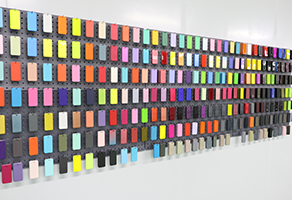
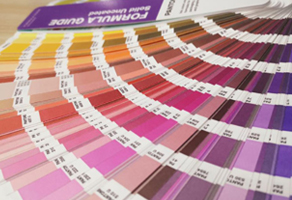
潘通色卡aaa
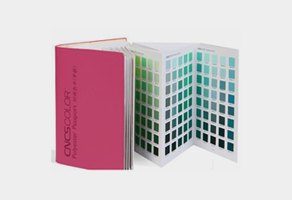
CNCS色卡
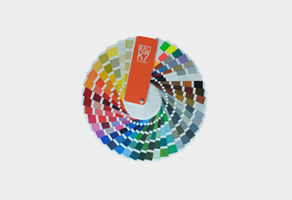
RAL色卡
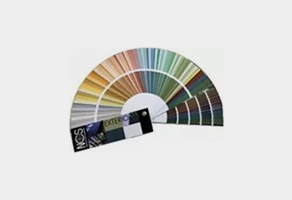
NCS色卡
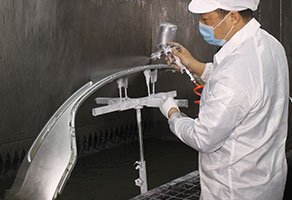
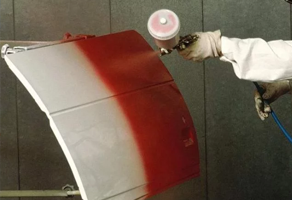
Painting
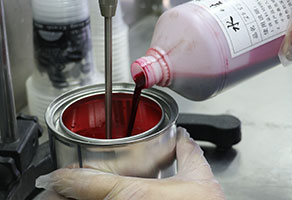
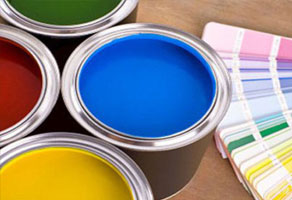
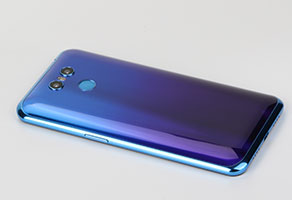
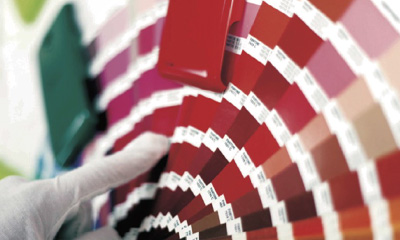
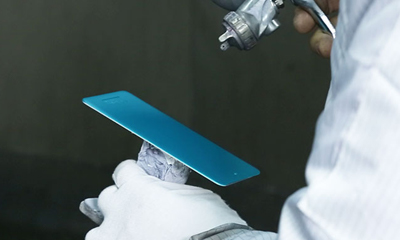
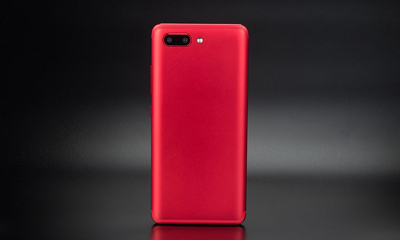
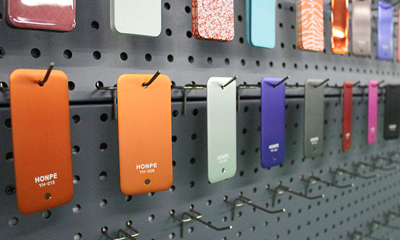
Color matching at Honpe is more than just blending primary colors; it’s about achieving a high-quality surface finish that aligns with professional color chips. This process is crucial for functional prototypes to ensure they are economical and color-stable. Additionally, advanced surface treatment can impart critical functions to plastics—such as improved UV resistance, conductivity, or anti-static properties—meeting the diverse requirements of modern CMF applications.
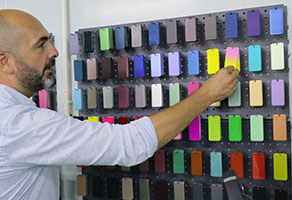
Color Matching
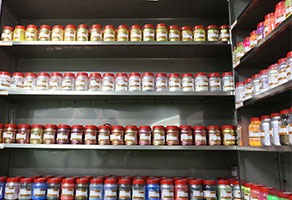
Color matching is based on the three basic colors of red, yellow, and blue, to match the color that is pleasing, meets the color difference requirements of the color card, is economical and does not change color during processing and use. In addition, the coloring of plastics can also impart multiple functions to plastics, such as improving the light resistance and weather resistance of plastics; imparting certain special functions to plastics, such as conductivity and antistatic; That is, through color matching and coloring, certain application requirements can be met.
Basic principles of color matching
Color matching is based on the three basic colors of red, yellow, and blue, to match the color that is pleasing, meets the color difference requirements of the color card, is economical and does not change color during processing and use. In addition, the coloring of plastics can also impart multiple functions to plastics, such as improving the light resistance and weather resistance of plastics; imparting certain special functions to plastics, such as conductivity and antistatic; That is, through color matching and coloring, it can also meet the requirements of certain applications.
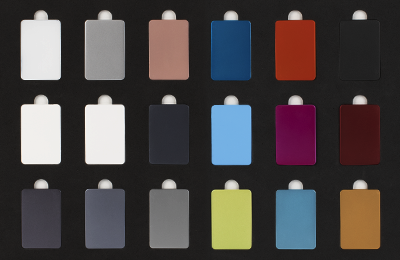
Five golden cards
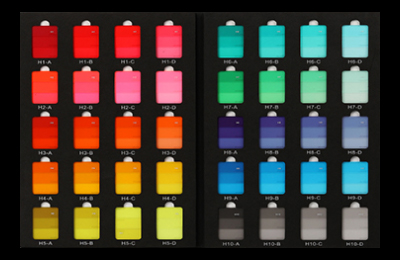
Plastic color card
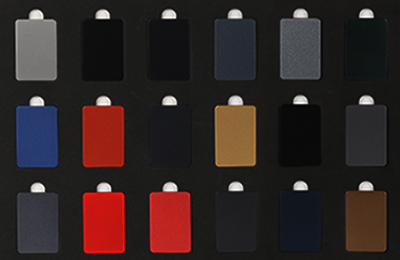
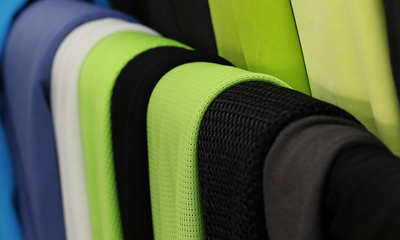
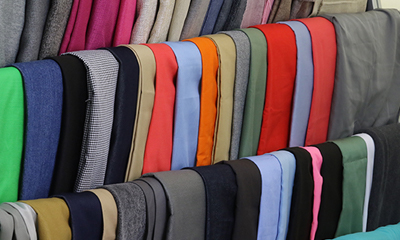
Fabric color card
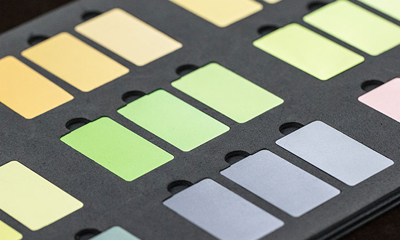
Electroplate
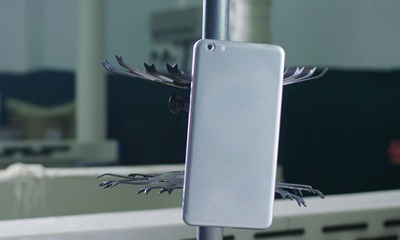
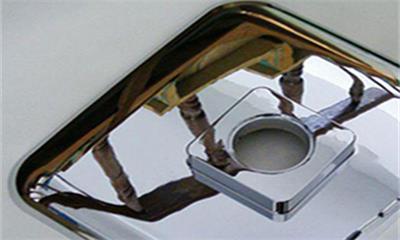
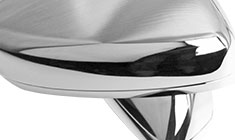
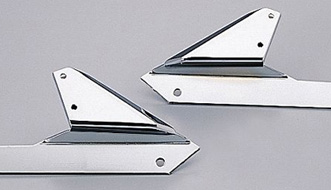
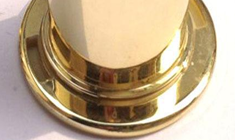
This surface treatment deposits various metal films onto plastic parts through vacuum-based sputtering or distillation. As a premium metal finishes solution, it provides a thin coating with exceptional adhesion and speed. While it involves a higher cost, it is the ideal choice for high-end products requiring functional shielding layers.This surface treatment deposits various metal films onto plastic parts through vacuum-based sputtering or distillation. As a premium metal finishes solution, it provides a thin coating with exceptional adhesion and speed. While it involves a higher cost, it is the ideal choice for high-end products requiring functional shielding layers.
Water plating
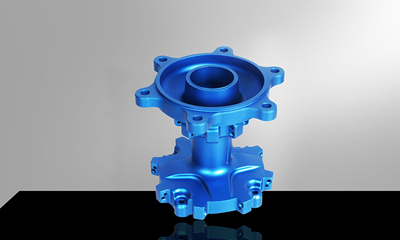
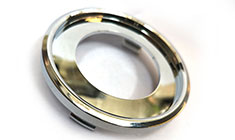
Metal plating (deposit) is plated on the substrate to change the surface properties or size of the substrate. For example, to give the metal surface gloss and beauty, rust prevention and abrasion prevention; improve conductivity, lubricity, strength, heat resistance, and weather resistance; heat treatment to prevent carburization and nitriding; size or wear parts repair.
Oxidation
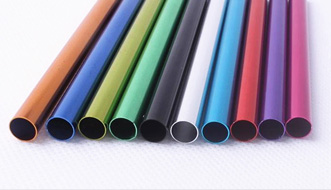
Oxidation is a process in which electrons are lost in a chemical reaction with electron transfer, that is, a process in which the oxidation number increases. The oxidation reaction of most organic compounds is manifested by the reaction raw materials gaining oxygen or losing hydrogen. The process involving the oxidation reaction is an oxidation process.
Leather holster
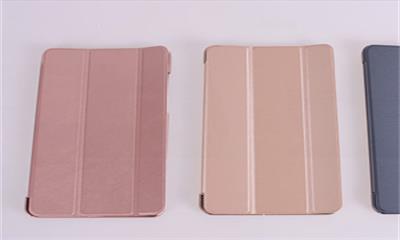
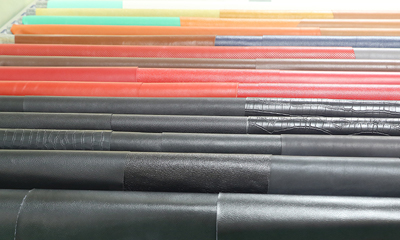
Leather products are an essential element in modern CMF (Color, Material, Finish) design. These products are generally divided into two categories: genuine leather and artificial leather. Synthetic leather is made of woven or non-woven fabric, coated with polyurethane and finished with a special foaming treatment. The surface is engineered to provide a premium soft touch feel that mimics real leather, making it an ideal choice for high-end electronic products, car interiors, and aircraft cabins.
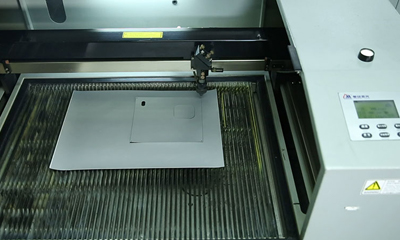
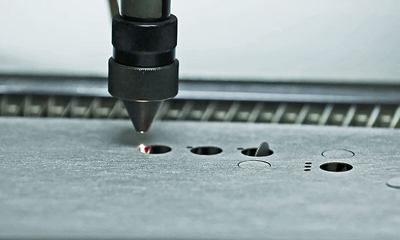
Laser carving
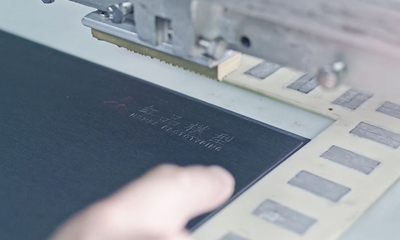
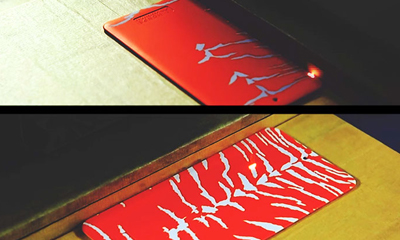
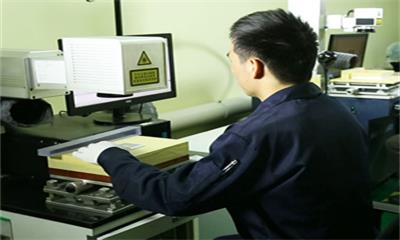
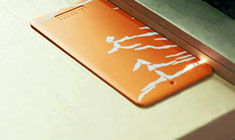
Laser engraving is also called laser engraving or laser marking, which is a process of surface treatment using optical principles. Laser carving is also a kind of surface treatment process, similar to screen printing and pad printing, in which words or patterns are printed on the product. The process is different and the price is different.
Silk screen printing
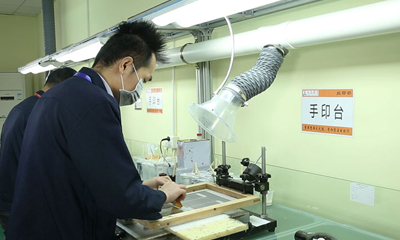
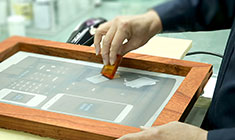
Silk printing is a versatile surface finish technique that uses a mesh screen as the plate base to transfer pictures and texts onto a substrate. The process involves five major elements: the screen printing plate, squeegee, ink, printing table, and the substrate itself. By applying uniform pressure with a squeegee, ink is forced through the graphic mesh area to create high-precision patterns. This method is essential for achieving detailed branding and decorative effects on various materials, ensuring a durable and professional aesthetic for your products.
Metallic Material
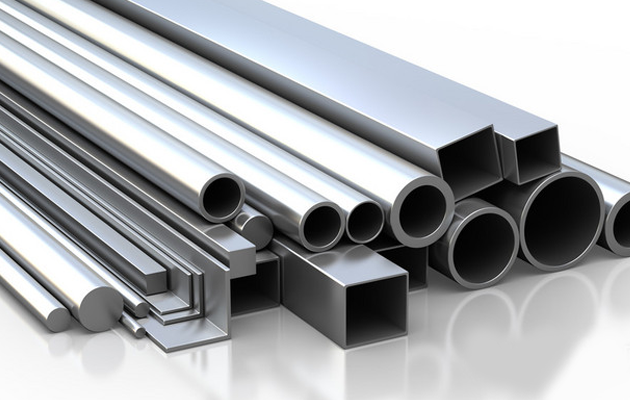
Metallic materials refer to the general term for metallic elements or materials with metallic characteristics mainly composed of metallic elements. Including pure metals, alloys, metal materials, intermetallic compounds, and special metal materials. (Note: Metal oxides (such as alumina) are not metal materials)
Resin
Resin usually refers to an organic polymer that has a softening or melting range after being heated, and has a tendency to flow under the action of external force during softening. It is a solid, semi-solid, or liquid organic polymer at room temperature. In a broad definition, any polymer compound that can be used as a raw material for plastic products processing is called a resin.
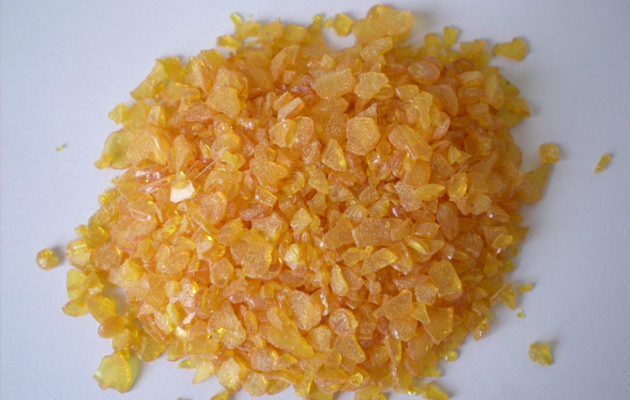
Nylon
Polyamide is commonly known as nylon (Nylon), and its English name is Polyamide (PA). It is a general term for thermoplastic resins containing repeating amide groups -[NHCO]- on the main chain of the molecule, including aliphatic PA, aliphatic-aromatic PA and aromatic PA .
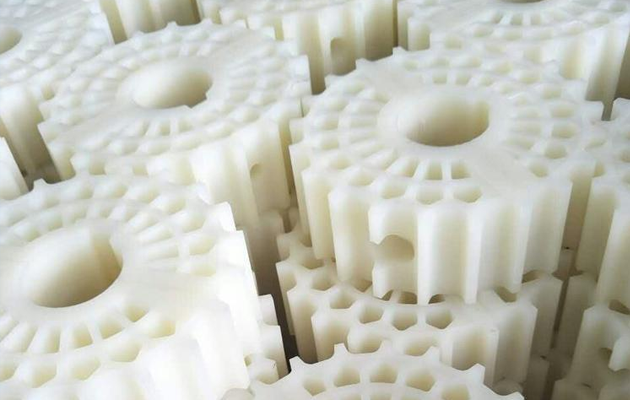
Commonly used materials
Commonly used materials include: ABS (acrylonitrile-butadiene-styrene copolymer); PMMA (polymethyl methacrylate); PC (polycarbonate); PP (polypropylene resin); POM (polyoxymethylene resin); PE (polyethylene); HDPE (high density polyethylene); LDPE (low density polyethylene); PVC (polyvinyl chloride); TPU (thermoplastic polyurethane elastomer); TPR (thermoplastic rubber material); TPE (thermoplastic elastomer) ; PS (polystyrene plastic); PA (polyamide-nylon).
Metal
metal
-
Plating
-
Chrome
-
Nickel plated
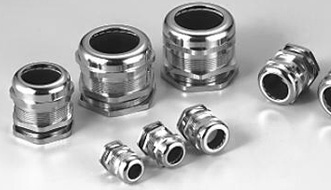
-
Tinned
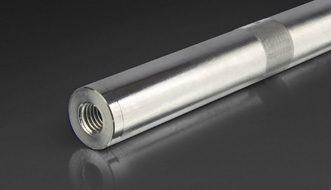
-
verzinkt
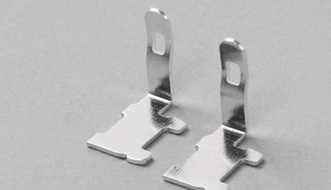
-
Powder Coating
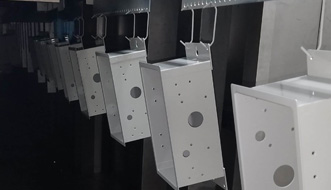
-
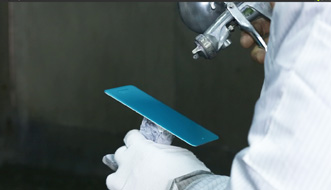
fuel injection
-
Oxidation
-
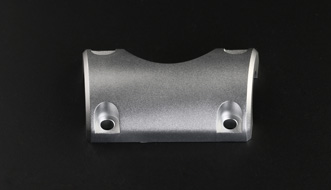
Sandblasting
-
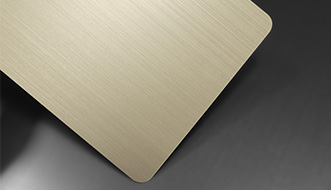
Brushed
-
Sanding/Polishing
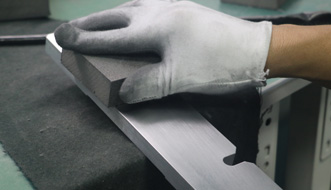
-
Laser laser engraving
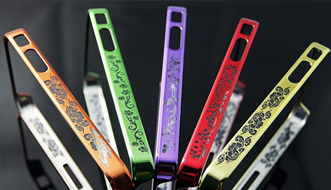
-
Black and blue

-
Heat treatment
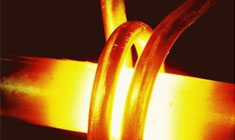
-
Tanning: VDI, SPI, MOLD
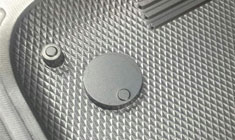
Plastic
plastic
-
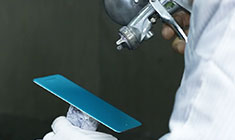
painting
-
Ordinary spray paint
-
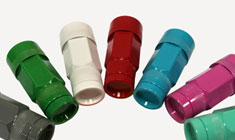
Nickel plated
-
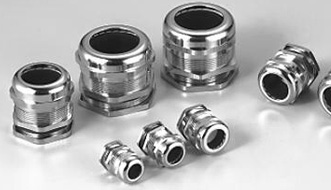
tinned
-
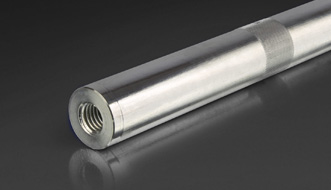
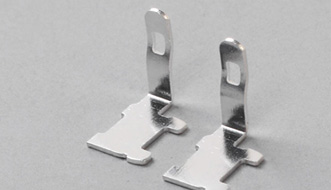
Galvanized
-
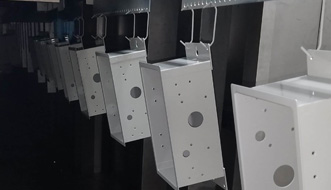
Cracked paint
-
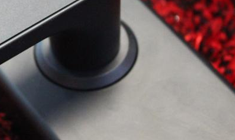
matte
-
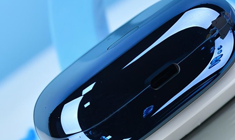
Glossy
-
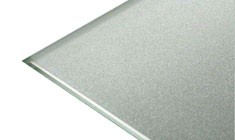
sandblasting
-
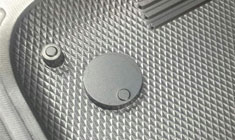
sunburn
-
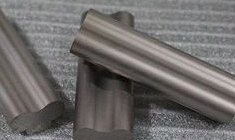
MOLD TEXTURING
-
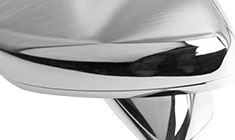
plating
-
water electroplating
-
Vacuum plating
-
silk screen
-
pad printing

-
water transfer
-
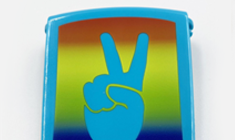
Thermal transfer
-
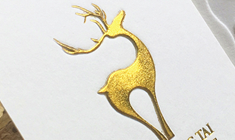
bronzing
-
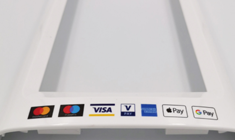
UV printing
-
Laser laser engraving
01

Consulting
Business Consulting
02

Research
Project Evaluation
03

Carried out
Production
04

Test
Quality inspection
05

Deliver
Product delivery


_1760581062.png)