


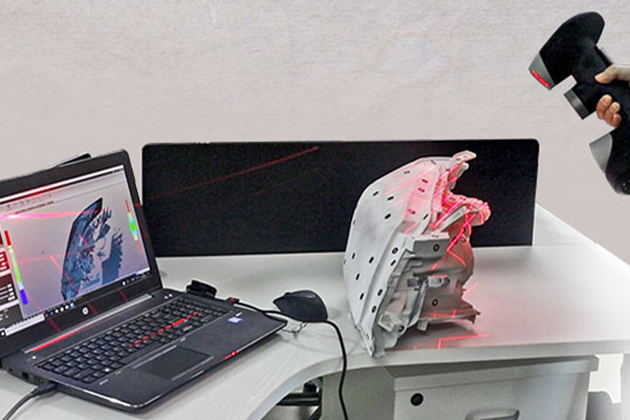
Essential tool for quality inspection
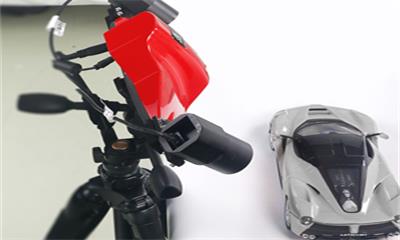
Our 3D scanning service utilizes advanced non-contact measurement to capture high-precision data for complex surfaces. As a vital part of the engineering design process steps, it supports reverse engineering and digital inspection for accurate functional prototype development. This technology ensures seamless integration with CAD systems, optimizing your manufacturing design for better quality control and production efficiency.
Used in automobiles, motorcycles, home appliances, etc.

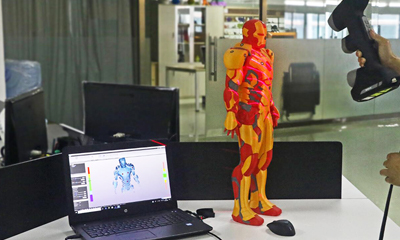
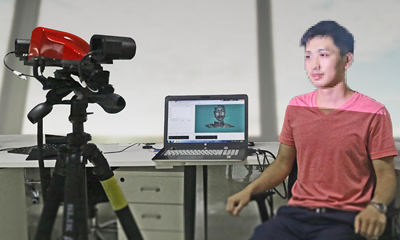
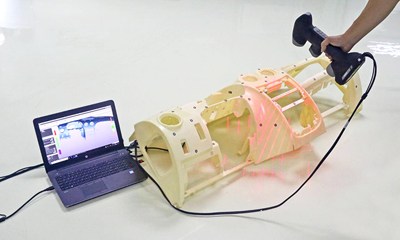
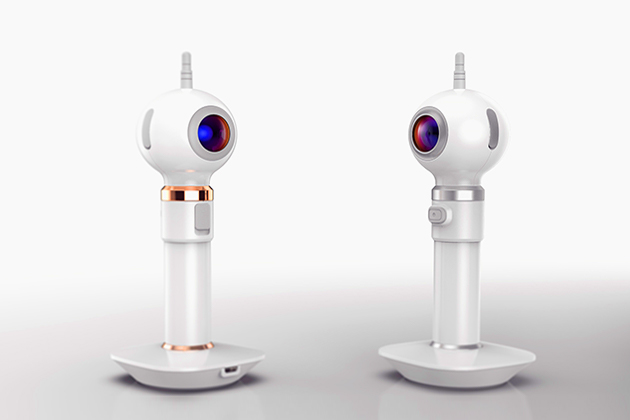
both have characteristics
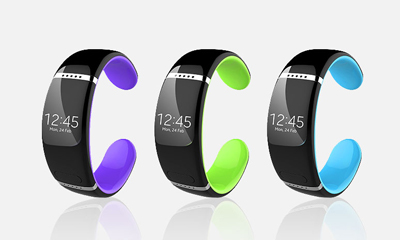
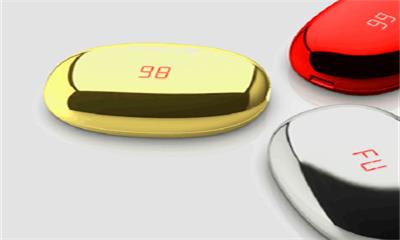
Industrial design is the core of creating products based on engineering, aesthetics, and economics. Our engineering design process steps ensure that every concept has unique characteristics while meeting all functional needs. At Honpe, we integrate design for manufacturing and manufacturing design into the initial stages to streamline the transition to mass production. Our expertise covers comprehensive prototype development, including mechanical and circuit design, to deliver a high-quality functional prototype for every client.
Through the design of product strategy, appearance, structure, function and the layout of the entire production system, the quality and personality of the product can be more intuitively conveyed, which is an important factor in the design of industrial products. Industrial product design is no longer a simple "technology ten arts, but an organic combination of engineering knowledge, ergonomics, humanities and social sciences, artistic aesthetics, marketing knowledge and consumer psychology.
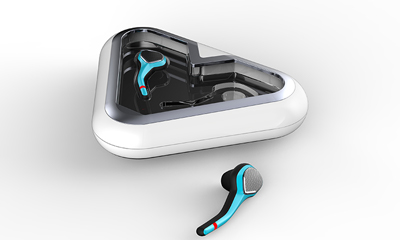
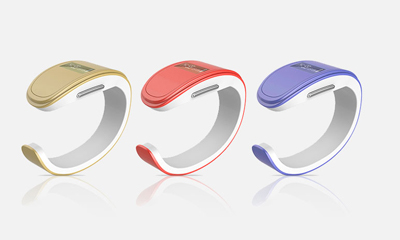
Essential tool for quality inspection
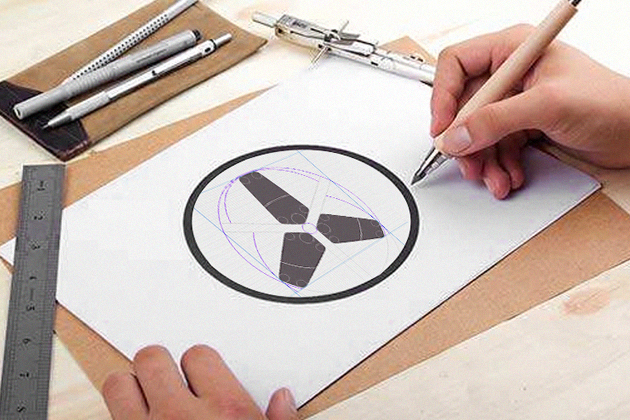
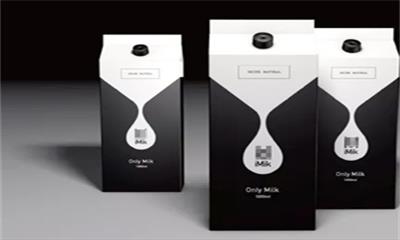
Graphic design, integral to the prototype development phase, serves as a vital tool for visual communication. By combining symbols and technical precision, we convey complex design messages through advanced visual performance. In the realm of functional prototype creation, our designers use professional typography and layout skills to complement 3D scanning data, ensuring that the final creative plan aligns perfectly with the production process. This synergy between graphic aesthetics and prototype development ensures every detail is captured from initial concept to the final work.
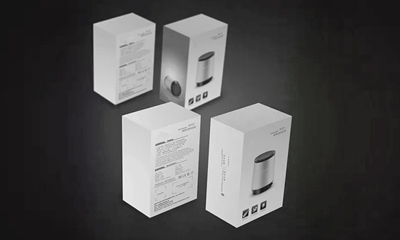

A good product must first be practical
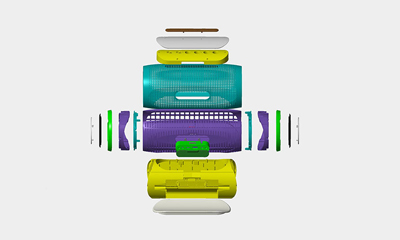
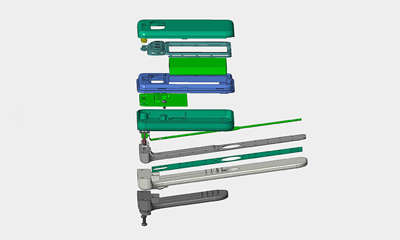
Structure design is the backbone of functional prototype development. Following strict engineering design process steps, we balance internal mechanics with aesthetics. Our team prioritizes design for manufacturing and manufacturing design to ensure reliability in the final production
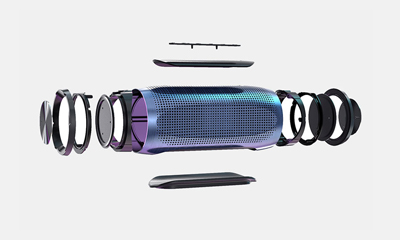
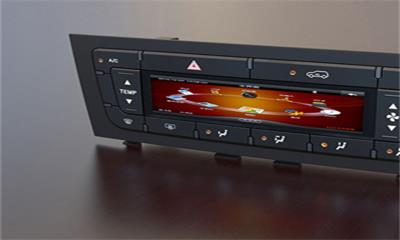

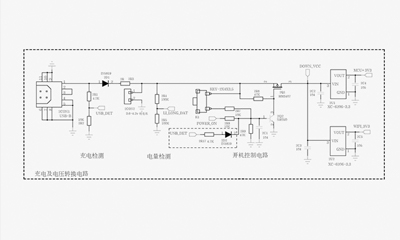
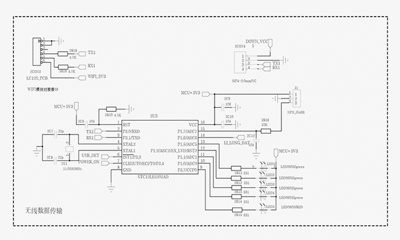
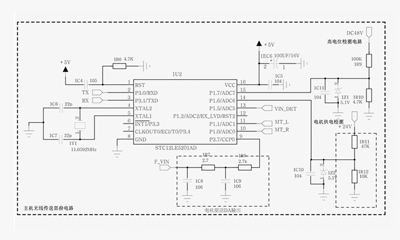
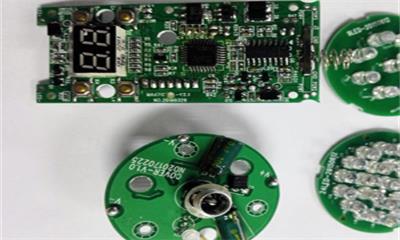
Electronic circuit design is a critical phase in functional prototype development. Our engineering design process steps cover everything from hardware design (schematic and PCB layout) to software integration. By focusing on source code design and functional debugging, we ensure that every functional prototype achieves its intended performance before moving to mass production.
Electrical circuit design includes: schematic design, PLC source code design, function debugging, etc.


_1760581062.png)